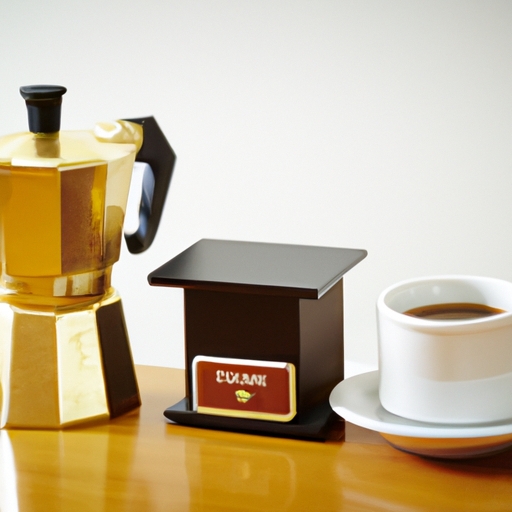
There is something truly nostalgic about the process of brewing coffee with an old school coffee maker. This nostalgic process of brewing coffee with an old school coffee maker is a great way to relive simpler times. This step-by-step tutorial will help you explore the world vintage coffee-making and discover the allure and charm of an old-school coffee maker.
One of the unique aspects of old school coffee makers is the craftsmanship that goes into their design. What is the Secret to Crafting Perfectly Delicious Coffee Beans? Discover the Coffee Bean Place! . Unlike modern coffee machines that are often made with plastic components, vintage coffee makers are typically made with durable materials such as stainless steel or copper. These coffee makers are built with great attention to detail, as evidenced by their intricate designs and solid build. They're not only functional but they also look good.
Another advantage of using an old school coffee maker is the control it gives you over the brewing process. Modern coffee machines have pre-set brewing parameters that cannot be changed to meet individual tastes. However, with a vintage coffee maker, you have the freedom to experiment with different brewing techniques, such as adjusting the water temperature or the brewing time, allowing you to customize your coffee to perfection.
In today's fast-paced world, where convenience is often prioritized over quality, many coffee enthusiasts are turning towards old school coffee makers for an authentic brewing experience. Vintage machines let us slow down and enjoy the coffee-making process. These vintage machines bring a sense tradition and craftsmanship to our homes. They remind us of an era when attention was paid to every detail. Vintage coffee making is not just about the end result; it is about the journey, the experience, and the connection to the past.
One of the reasons vintage coffee making has gained popularity is the unique flavor it produces. Vintage coffee makers have a unique taste due to their materials and design. Modern machines cannot replicate it. The slower brewing process allows the flavors to develop more fully, resulting in a richer and more nuanced cup of coffee.
Additionally, vintage coffee makers are often seen as a sustainable choice. Many modern coffee machines are made with plastic components that contribute to environmental waste. In contrast, vintage coffee makers are typically made with durable materials such as stainless steel or glass, which can be easily cleaned and maintained. By choosing to use a vintage coffee maker, coffee enthusiasts can reduce their environmental impact and contribute to a more sustainable coffee culture.
Old school coffee makers come in various shapes and styles, each with its own unique appeal. These vintage machines, from stovetop percolators and ornate vacuum-brewers to classic stovetop coffee makers, offer a look into the rich history behind coffee brewing. What sets them apart from modern coffee makers is not only their design but also their mechanism. These machines are time-tested and rely on gravity, heat and pressure to extract flavors from coffee grounds.
Old-school coffee makers are unique because of their durability. Unlike modern coffee makers that are often made with plastic components, old school coffee makers are typically constructed with high-quality materials such as stainless steel or cast iron. The materials used in old-school coffee makers are made of high quality and durable materials, such as stainless steel or cast iron. Many vintage coffee makers have been passed down through generations, becoming cherished family heirlooms.
Another aspect that sets old school coffee makers apart is the ritualistic experience they offer. Brewing coffee with these vintage machines often involves a more hands-on approach, requiring the user to carefully measure the coffee grounds, heat the water to the right temperature, and manually control the brewing process. This can be viewed as a relaxing and enjoyable activity that allows coffee lovers to immerse themselves into the art of making coffee.
While modern coffee makers offer convenience and efficiency, old school coffee makers bring a range of advantages that can enhance your coffee experience. Firstly, they allow for more control over the brewing process, enabling you to adjust temperature, brewing time, and water flow to suit your personal taste. Secondly, vintage coffee makers often have a more durable construction, built to last for generations. Lastly, they can add a touch of elegance and style to your kitchen countertop, becoming a centerpiece that sparks conversation and admiration.
Old-fashioned coffee makers also provide a nostalgic and authentic coffee experience. Manually grinding coffee beans, measuring out the right amount of grounds and pouring the hot water on top can be a relaxing and therapeutic ritual. The hands-on method allows you to appreciate the craft and tradition of coffee making. Moreover, the slower brewing time of old school coffee makers can result in a richer and more flavorful cup of coffee, as the flavors have more time to develop and infuse into the water. If you want to enjoy your coffee and make it more memorable, then consider using an old-school coffee maker.
Before embarking on your journey into old school coffee making, it is essential to research and choose the right coffee maker for you. Consider factors such as size, brewing capacity, and style. Do you prefer a stovetop percolator or a pour-over dripper? Are you drawn to the charm of a vintage espresso machine? Take the time to explore different options and read reviews to ensure that your chosen coffee maker aligns with your brewing preferences and aesthetic sensibilities.
It's important to also consider the materials that were used in their construction when researching old-school coffee makers. Some coffee makers are constructed of stainless steel while others are made from glass or ceramic. Consider the pros and cons of each material. Stainless steel is durable and easy to clean, while glass and ceramic can add a touch of elegance to your coffee brewing experience.
Don't just focus on the coffee maker. Explore the accessories to enhance the old-school coffee making method. You can find items like a metal filter, a milk frother, and a coffee grinder. These accessories can elevate the quality of your coffee and provide you with more control over the brewing process. Consider your budget and personal preferences when deciding which accessories to invest in.
There are many types of old school coffee makers, each with their own unique brewing methods and characteristics. Some popular options include stovetop percolators, French presses, vacuum coffee makers, and Italian moka pots. Learn about the history of each coffee maker and the brewing process to determine which is best for you. Each coffee maker brings its own flavor profile and brewing nuances, guaranteeing a diverse and exciting coffee experience.
Since decades, stovetop percolators (also known as mokapots) have been an essential in Italian homes. These coffee makers work by using steam pressure to force water through coffee grounds, resulting in a strong and rich brew. The moka pot's design allows for a quick and efficient brewing process, making it a popular choice for those who want a strong cup of coffee without the need for electricity.
Vacuum coffee machines, on the contrary, combine science and art to create a unique brewing process. This type of coffee maker uses a two-chamber system, where water is heated in the bottom chamber and then rises to mix with coffee grounds in the top chamber. As the heat source is removed, a vacuum is created, causing the brewed coffee to be drawn back down into the bottom chamber. This produces a cup of coffee with a rich, flavorful taste that highlights the subtleties of the beans.
Once you have chosen your old school coffee maker, it's time to gather the necessary supplies and equipment to ensure a smooth brewing process. Apart from the coffee maker itself, you will need high-quality coffee beans, a coffee grinder, a kettle or pot for heating water, a scale for accurate measurements, and filters if applicable. The quality of the coffee you make will be enhanced by investing in high-quality equipment.
In addition to the supplies mentioned above, there are a few essential tools and ingredients that will elevate your old school coffee making experience. A long-necked pot will ensure an even extraction by allowing for precise pouring. Opt for freshly roasted coffee beans of your choice, as they provide the best flavor and aroma. Store them in an airtight container to preserve freshness. Finally, make sure to have a timer, a stirrer, and a serving vessel at hand to complete your setup.
Before diving into the brewing process, it is crucial to prepare your old school coffee maker for use. This preparation may involve cleaning, assembling, or seasoning the parts, depending on the type. Ensure that your coffee maker is free from dust or residue from previous brewing sessions. Seasoning certain types, such as cast-iron stovetop percolators, can enhance the flavors and create a seasoned surface for optimal brewing. Follow the manufacturer's instructions and take the time to familiarize yourself with your machine.
Regular cleaning and maintenance is essential to ensure longevity and performance of an old-school coffee maker. Disassemble the coffeemaker after each use and thoroughly clean the parts, removing all coffee grounds or residue. Clean the exterior with mild dish soap, warm water and a toothbrush or toothpick. Before assembling the machine, dry all parts completely. Regular maintenance, such as descaling, will prevent mineral buildup and ensure optimal brewing results.
Freshly ground beans are essential for brewing great coffee in an old-school coffee maker. Invest in a high-quality burr grinder to achieve a consistent grind size that suits your chosen brewing method. To preserve aromatic oils and flavors, grind the beans right before brewing. Experiment with different grind sizes, from coarse for French press to fine for espresso, to find the sweet spot that produces the desired taste and extraction.
Freshly ground beans play a crucial role in old school coffee brewing. The surface area of the beans increases when they are ground. This accelerates the oxidation and causes the flavors to degrade. You can ensure the coffee's optimal flavor and aroma by grinding it just before brewing. Grinding releases aromatic compounds that enhance the brewing process. Embrace the hands-on approach of grinding your beans and revel in the heightened sensory journey it brings.
A perfect balance between coffee and water will produce a superb cup of old-school coffee. Personal taste and experimentation are important factors. Follow the general rule of adding one to two teaspoons of coffee for every six ounces water. Adjust the ratio according to your taste, bearing in mind that stronger brews require more coffee, while weaker ones call for less. Gradually refine your measurements until you find the ideal balance that pleases your palate.
Each old school coffee maker has its unique brewing characteristics that influence the coffee-to-water ratio. Some machines require a higher ratio of coffee to water, while others may need a delicate balance. As you adjust the ratio, pay close attention to how your coffee tastes and its strength. Take note of the nuances in flavor and body, and remember that practice and experimentation are the keys to unlocking the full potential of your vintage coffee maker.
Now comes the moment you've been waiting for - the brewing process itself. Follow the instructions specific to your chosen machine, paying attention to details such as water temperature, brewing time, and stirring techniques. With an old school coffee maker, patience is key. Enjoy the slow development of flavors and the anticipation as you watch the coffee brew. Enjoy the sounds and sights of the process and the traditional craftsmanship that is woven into every sip.
As you delve into the world of old school coffee making, here are a few tips and techniques to enhance your brewing skills. Try experimenting with different temperatures of water to extract the desired flavors. To ensure even extraction, gently stir the coffee grounds. Embrace the art of timing by using a timer to monitor the brewing process. Pay attention to the subtle changes in aroma and color as the coffee brews, refining your intuition over time. Enjoy the process, and accept the imperfections that make every brew unique.
Once your old school coffee has brewed to perfection, it's time to decant and serve it with style. Pour the coffee carefully into a vessel depending on how you brewed it. Make sure to leave any sediment. Use a slow and steady pour to maintain the integrity of the flavors. Consider using vintage coffee cups or glassware to elevate the presentation and transport yourself back in time. And don't forget to savor each sip, appreciating the labor of love that went into creating your cup of joe.
Vintage coffee making is a great way to experiment with different ways to serve your coffee. Serve your vintage coffee with biscotti, cake or other sweets on a classic tray. Stir sugar or cream with elegant silverware, such as vintage coffee spoons. Allow the old rituals that used to be common to bring you back to an era of elegance and indulgence.
Old-fashioned coffee makers are capable of delivering a great brewing experience. However, they can also present some challenges. Common issues include inconsistent brew strength, leaks, or bitter-tasting coffee. Troubleshooting is essential in such situations. Check for proper assembly and tight seals, ensuring that all components are clean and functioning correctly. If you are experiencing problems with taste or strength, adjust your brewing parameters. You can refine your process over time until you reach the desired result.
This step-by-step tutorial will help you on your quest to bring back the old-school coffee maker. Vintage brewing is a unique process that produces a special result. Modern coffee makers are still the most popular, but there's something unmistakably special about them. Immerse yourself into the world of vintage coffee makers and discover the charm and joy they bring to morning rituals.